Power, control, sensor, Ethernet, tray, medium-voltage collector, offshore loop and fibre communication circuits
Voltage rating
Data circuit, 300/500 V, 0.6/1 kV, 600/1000 V and 6.35/11 kV to 19/33 kV references
Element design
Single core, three core, multicore, pair, Ethernet pair, optical fibre and tray cable layouts
Screen / protection
EMC braid, foil/braid screen, metallic MV screen, support fillers, aramid yarn or steel tape by route
Jacket
Cold, oil, UV, ozone, salt-air, LSZH, PE, PUR, TPE, PVC or offshore compound by installation zone
Torsion rating
Wind loop torsion, service-loop allowance, tower vibration, fixed collector route or optical installation bend radius by cable type
Technical data
Motion duty, cable function, voltage, element design, conductor size, screen/protection, jacket, torsion or route rating, temperature class, OD guide and cable weight
Find The Exact Cable Size
Open a cable construction page, then select the voltage, conductor material, core layout and cross-section row that matches your enquiry. Each row opens a cable specification sheet for quote preparation.
Wind Turbine Cable System Types
Wind turbine cable pages are organised by nacelle loop, tower drop, control, sensor, tray, medium-voltage collector, offshore and fibre routes. Open a system page to compare motion duty, voltage, element design, conductor size, torsion rating, OD and weight references.
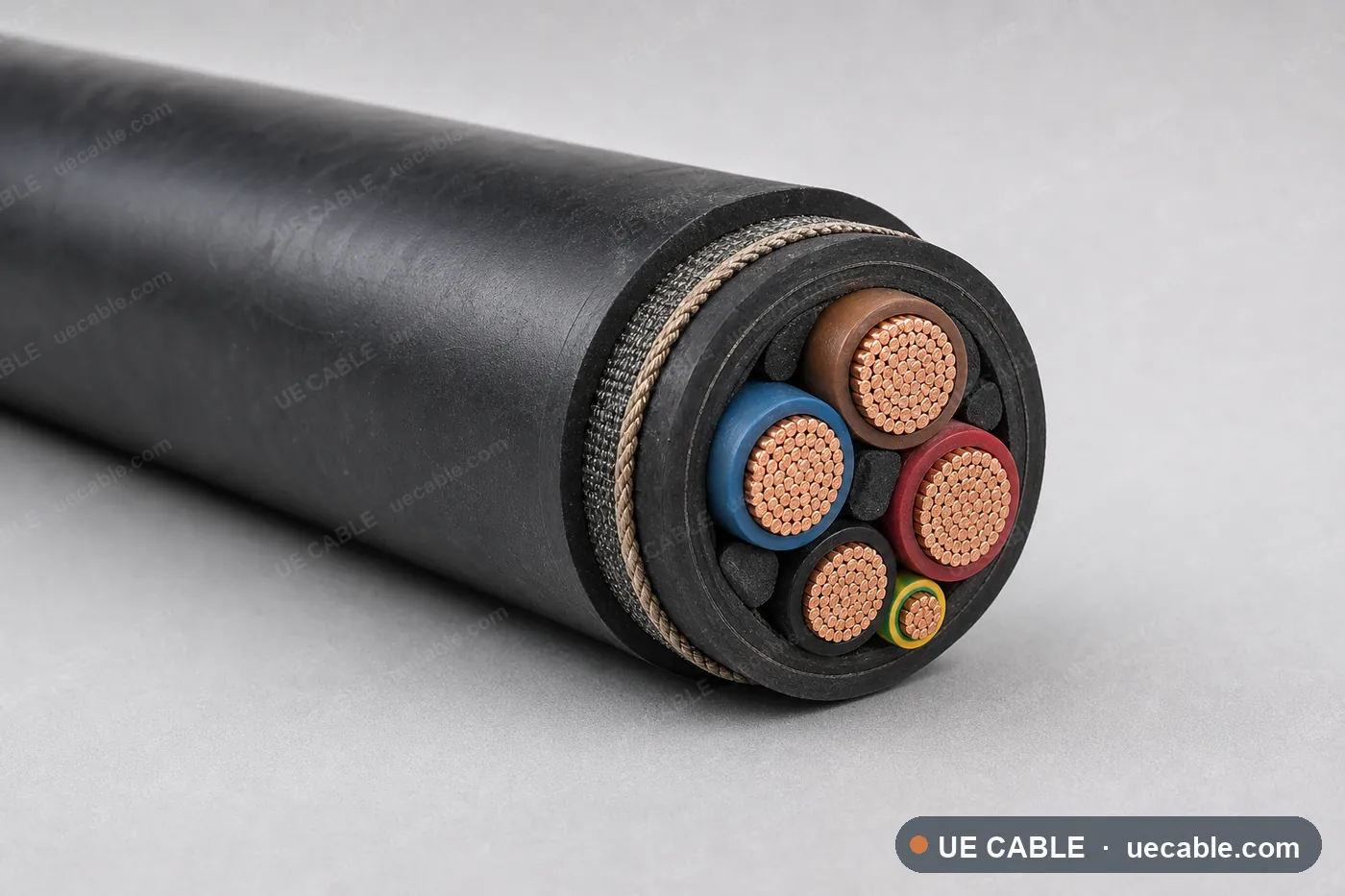
Wind Turbine Loop Torsion Power Cable is a motion-duty cable reference for nacelle loop power, yaw loop power, converter output, using class 5 flexible bare copper power conductor, optional emc screen or phase separator by turbine design, cold, oil, uv and ozone resistant hffr / lszh jacket and wind loop torsion up to +/- 150 degrees per m guide.
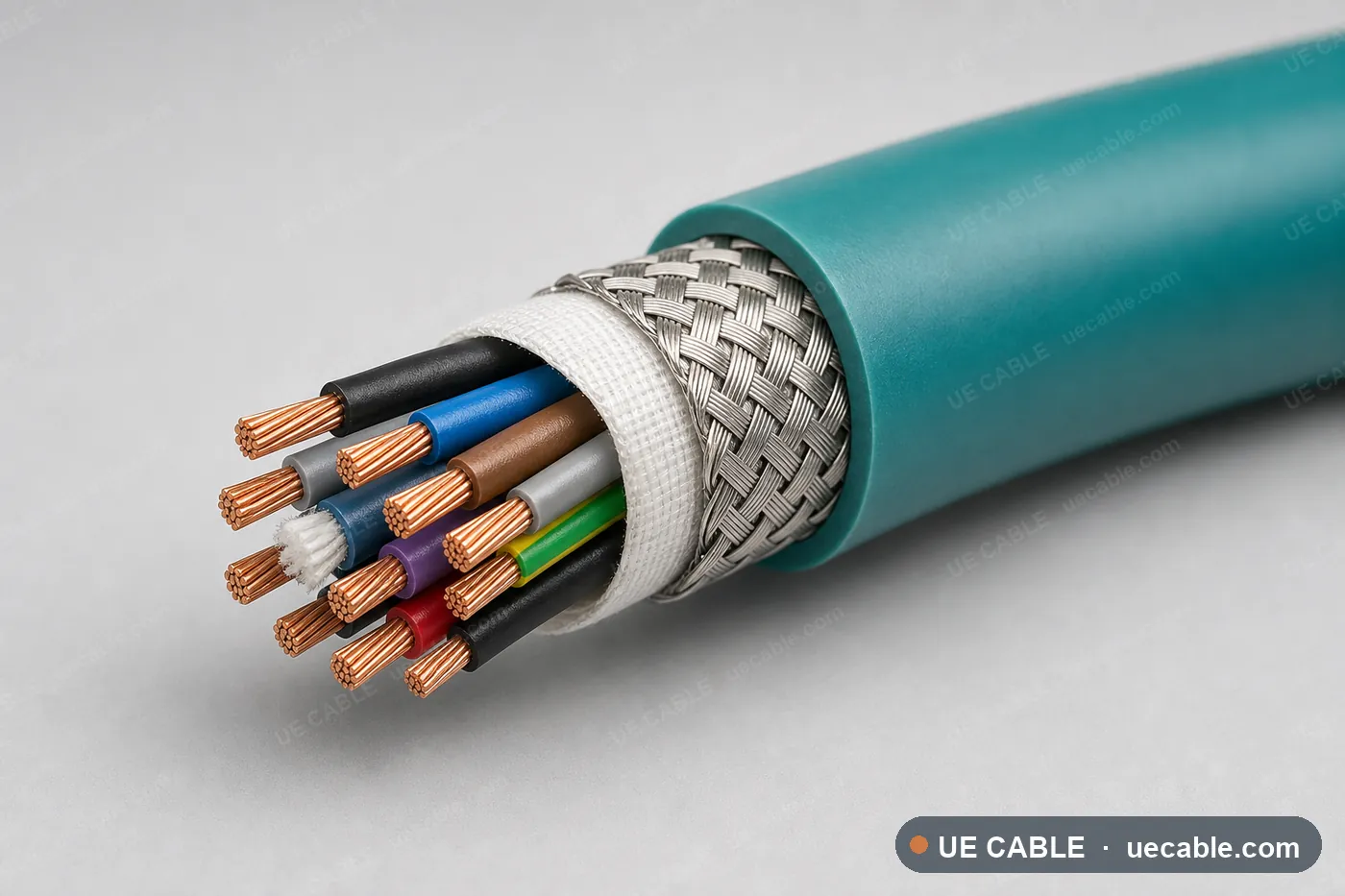
Wind Turbine Loop Control Cable is a motion-duty cable reference for nacelle controls, yaw systems, converter cabinets, using class 5 flexible bare copper control conductor, optional tinned copper braid emc screen, cold, oil and uv resistant pur / hffr jacket and wind loop torsion up to +/- 150 degrees per m guide.
Wind Turbine Tower Drop Power Cable is a motion-duty cable reference for tower drop feeders, auxiliary power, converter to transformer links, using class 2 or class 5 copper power conductor, mechanical drop support by clamp system, uv, oil and flame retardant lszh / pe jacket and fixed tower drop, vibration and installation bending guide.
Wind Turbine Nacelle Control Sensor Cable is a motion-duty cable reference for nacelle sensors, pitch controls, brake systems, using fine-stranded bare copper control conductor, foil or braid screen option for sensor signals, oil and coolant resistant pur / lszh jacket and flexible nacelle vibration and service-loop guide.
Wind Turbine Data Ethernet Cable is a motion-duty cable reference for scada networks, condition monitoring, nacelle ethernet, using fine-stranded or solid tinned copper data conductor, pair screen plus overall braid/foil emc screen, oil and uv resistant pur / lszh data jacket and flexible service-loop and nacelle vibration guide.
WTTC Wind Turbine Tray Cable Family is a motion-duty cable reference for wind turbine tray wiring, auxiliary circuits, control cabinets, using stranded tinned copper tray cable conductor, tray cable construction with exposed-run jacket option, sunlight, oil and turbine-rated tpe/pvc jacket and fixed tray and turbine service-loop installation guide.
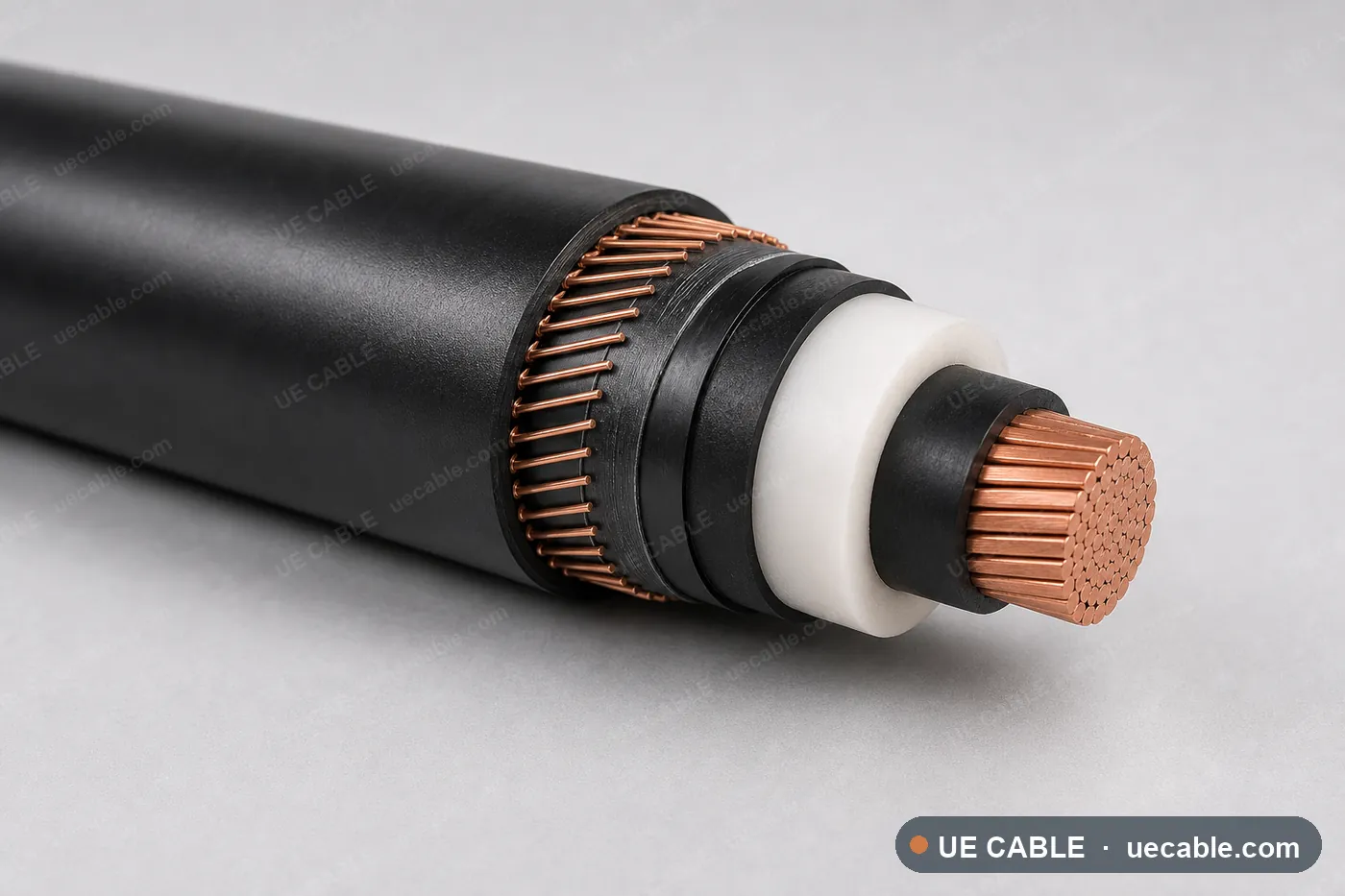
Wind Turbine MV Collector Cable is a motion-duty cable reference for wind farm collectors, turbine step-up feeders, substation links, using class 2 copper or aluminium mv conductor, conductor screen, insulation screen and copper wire/tape metallic screen, uv, water and abrasion resistant pe / lszh outer sheath and fixed buried or ducted collector route.
Offshore Wind Loop LSZH Cable is a motion-duty cable reference for offshore wind turbines, nacelle loops, tower loops, using class 5 tinned copper marine-grade conductor, optional emc screen or support fillers by loop design, mud, oil, uv and salt-air resistant lszh offshore jacket and wind loop torsion up to +/- 150 degrees per m guide.
Wind Turbine Fibre Optic Control Cable is a motion-duty cable reference for wind turbine scada, condition monitoring, tower fibre backbone, using single-mode or multimode optical fibre element, aramid yarn strength member and optional steel tape protection, lszh, pe or oil-resistant turbine data jacket and fixed tower/nacelle route with service-loop allowance.
Wind turbine cable system covering nacelle loop torsion power, loop control, tower drop feeders, nacelle sensor cables, turbine Ethernet, WTTC tray cable, MV collector cable, offshore LSZH loop cable and fibre optic control links. They are built to EN 50525 wind turbine cable references, IEC 60502-1, IEC 60502-2, IEC 60228, IEC 60332-1-2, UL WTTC / TC-ER references, IEC 60794.
Which standards do wind turbine cables comply with?
UE Cable wind turbine cables are manufactured and tested to EN 50525 wind turbine cable references, IEC 60502-1, IEC 60502-2, IEC 60228, IEC 60332-1-2, UL WTTC / TC-ER references, IEC 60794. The exact standard for each construction is stated on its specification sheet.
What sizes and configurations are available?
9 construction families are catalogued under wind turbine cables, each offered across a range of conductor sizes and core or pair counts. Open any specification sheet for the exact conductor size, voltage, operating temperature, current rating, overall diameter and weight.
Can wind turbine cables be custom-made, and how fast is a quote?
Yes. UE Cable manufactures to customer specification — conductor, insulation, screen, armour, sheath, colour, printing and packing. Send your requirement through the inquiry list and we typically reply within 6 hours with price, lead time and test documentation.
Related Resources
You may also be interested in.
Compare nearby cable families, standards and application pages before you send an enquiry.
Torsion cables for robotic arms, rotary automation, welding dresspacks, cleanroom motion systems and wind turbine nacelle loops where cable twisting, bending, oil exposure and vibration must be specified together.
Medium voltage cables for utility networks, industrial distribution, renewable energy connections, substations, mining projects and infrastructure power systems.