Market size and momentum
The global wire & cable market is estimated at roughly US$245 billion in 2026, growing at about a 6% compound annual rate. Demand is broad-based: metallic power cable, structured data cable and optical fibre are all rising as economies electrify and digitise. (Market sizing per published 2026 industry reviews — see CRU and sector market reports.)
The data-centre boom
AI and cloud build-out has made data centres the fastest-growing cable application, now estimated at around 8% of US metallic-cable demand and climbing. The pull is twofold: heavy power distribution cable for rising rack densities, and large volumes of high-performance data and fibre-optic cable for interconnect.
Electrification: EVs, grid and renewables
- EVs & charging — each battery-electric vehicle carries 3–4× the copper wiring of a combustion car, driving demand for automotive and EV charging cable.
- Grid modernisation — with the IEA estimating ~US$2 trillion a year of grid spend, MV and overhead-line demand is structural.
- Renewables — wind and solar lift demand for PV string cable, turbine cable and HV collector cable.
Copper, aluminium and what it means for sourcing
Copper still holds the majority of conductor volume (~58%), but aluminium is growing faster as buyers manage cost and weight. For sourcing teams the practical takeaways are: budget cable against the live copper price (see our copper & cable cost briefing), specify the governing standard up front, and consolidate enquiries so quotes reflect real metal content and lead time.
Frequently asked questions
How big is the wire and cable market in 2026?
Around US$245 billion globally in 2026, growing at roughly a 6% compound annual rate across power, data and fibre cable.
Which cable segment is growing fastest?
Data-centre cable, driven by AI and cloud build-out — now about 8% of US metallic-cable demand and rising, spanning both power distribution and high-speed data/fibre.
Is aluminium replacing copper in cables?
Not replacing, but gaining share. Copper keeps the majority of conductor volume (~58%), while aluminium grows faster where cost and weight favour it, such as overhead lines and many feeders.
Related products
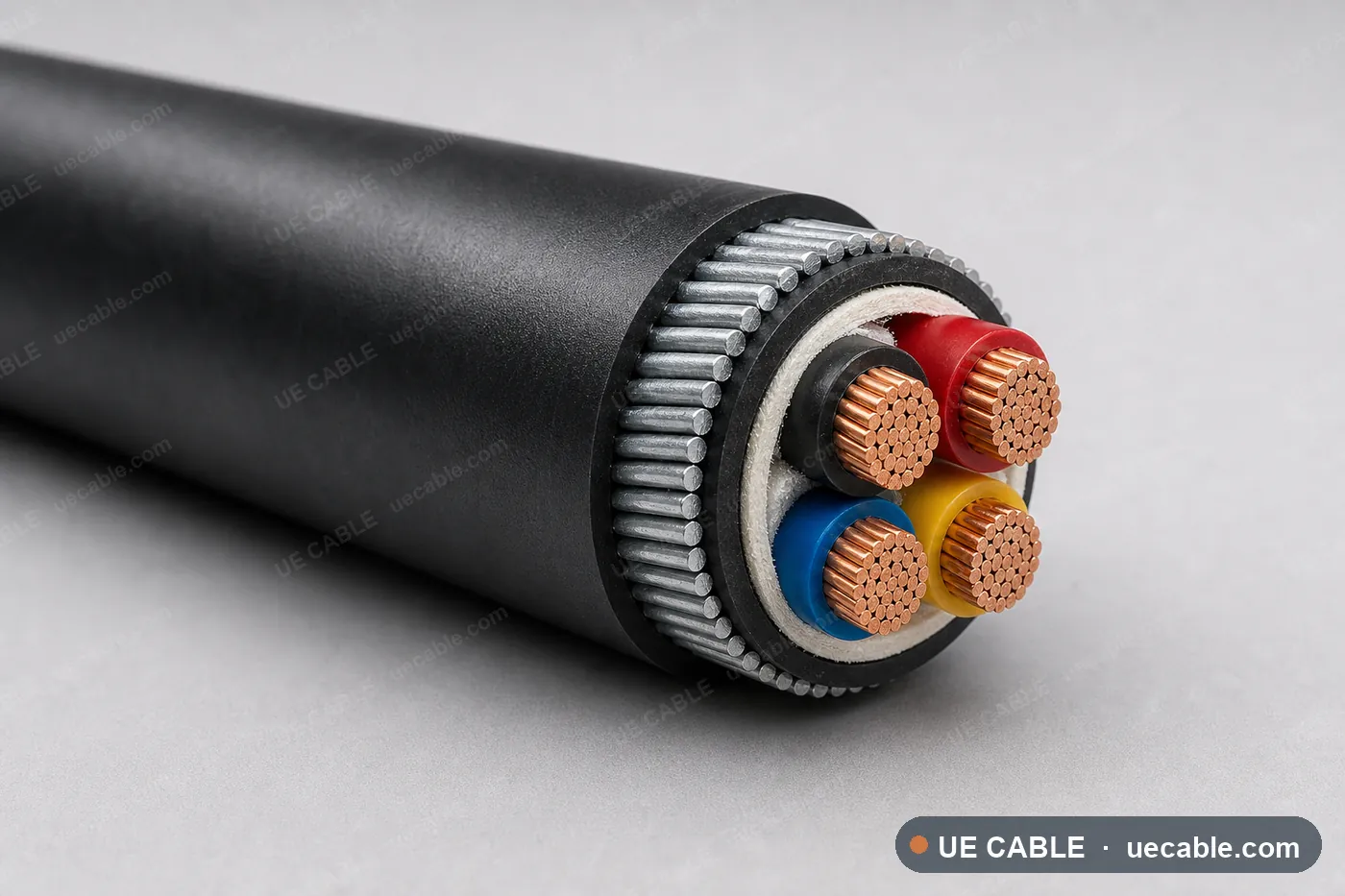
Low Voltage Power Cables
Low voltage power cables for fixed power distribution in buildings, utilities, industrial plants, infrastructure, renewable energy systems and general electrical installations.
View product page →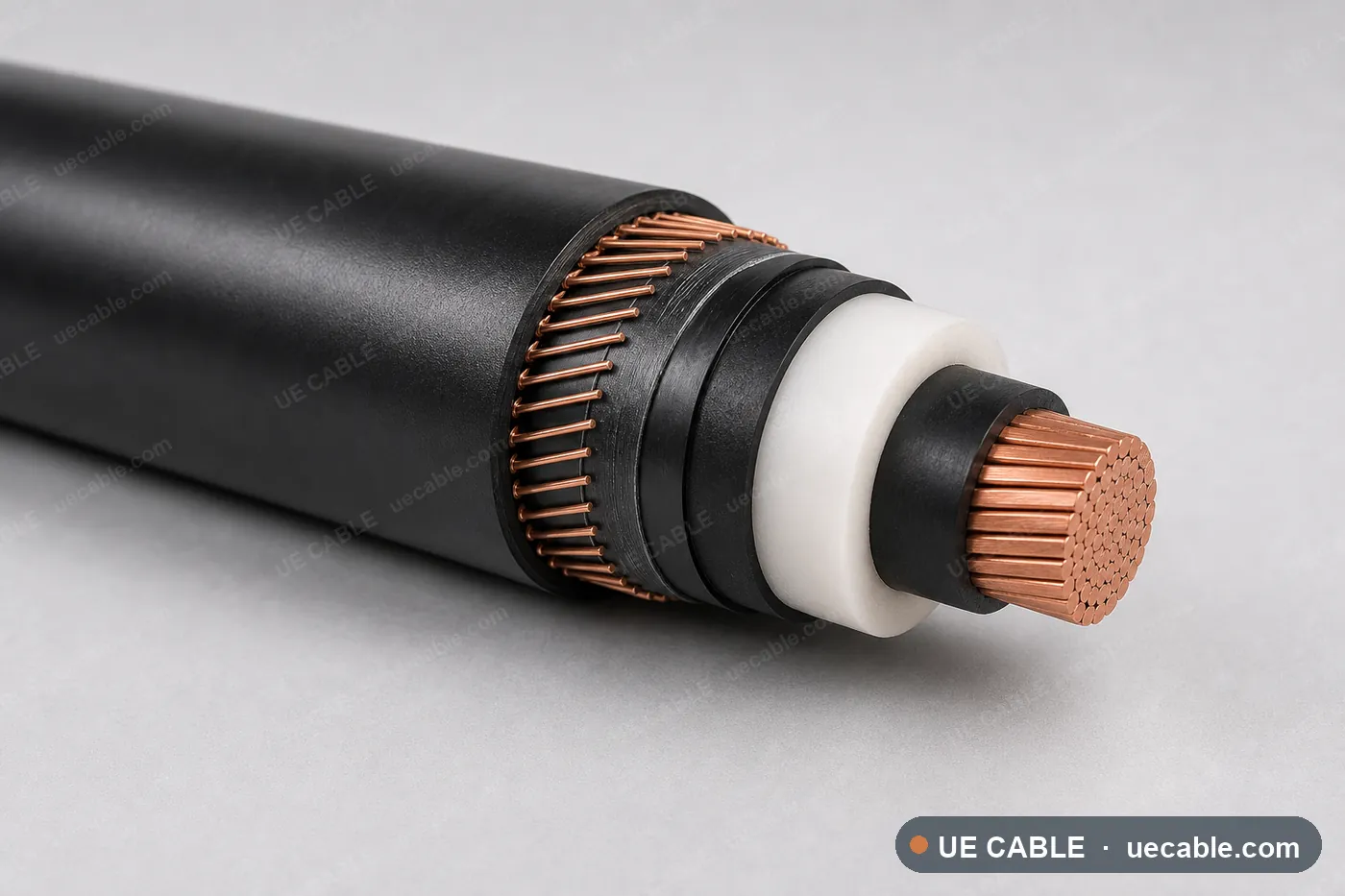
Medium Voltage Cables
Medium voltage cables for utility networks, industrial distribution, renewable energy connections, substations, mining projects and infrastructure power systems.
View product page →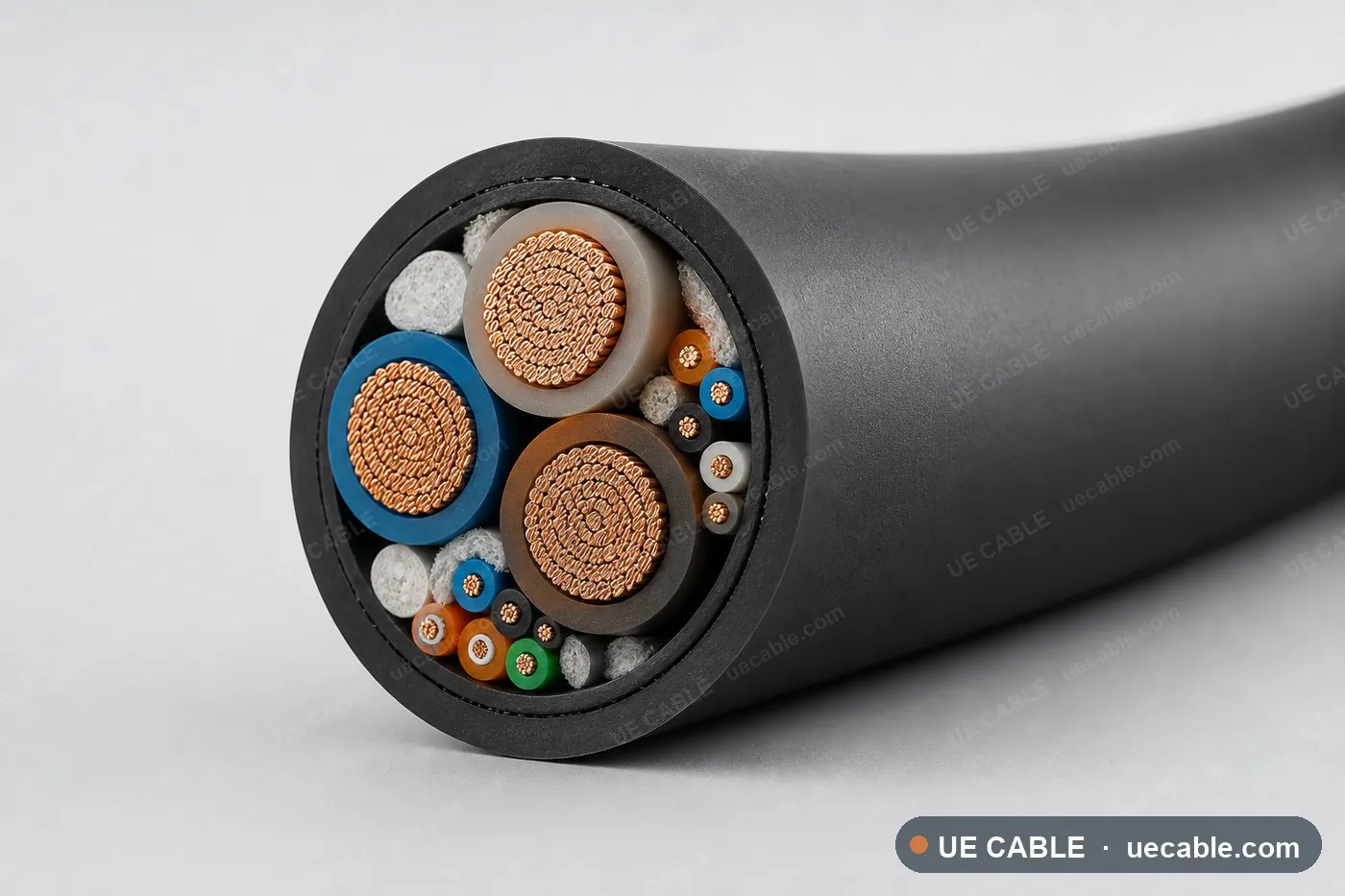
EV Charging Cables
EV charging cables for AC and DC charging systems, charge points, power cores, signal cores and data-integrated constructions.
View product page →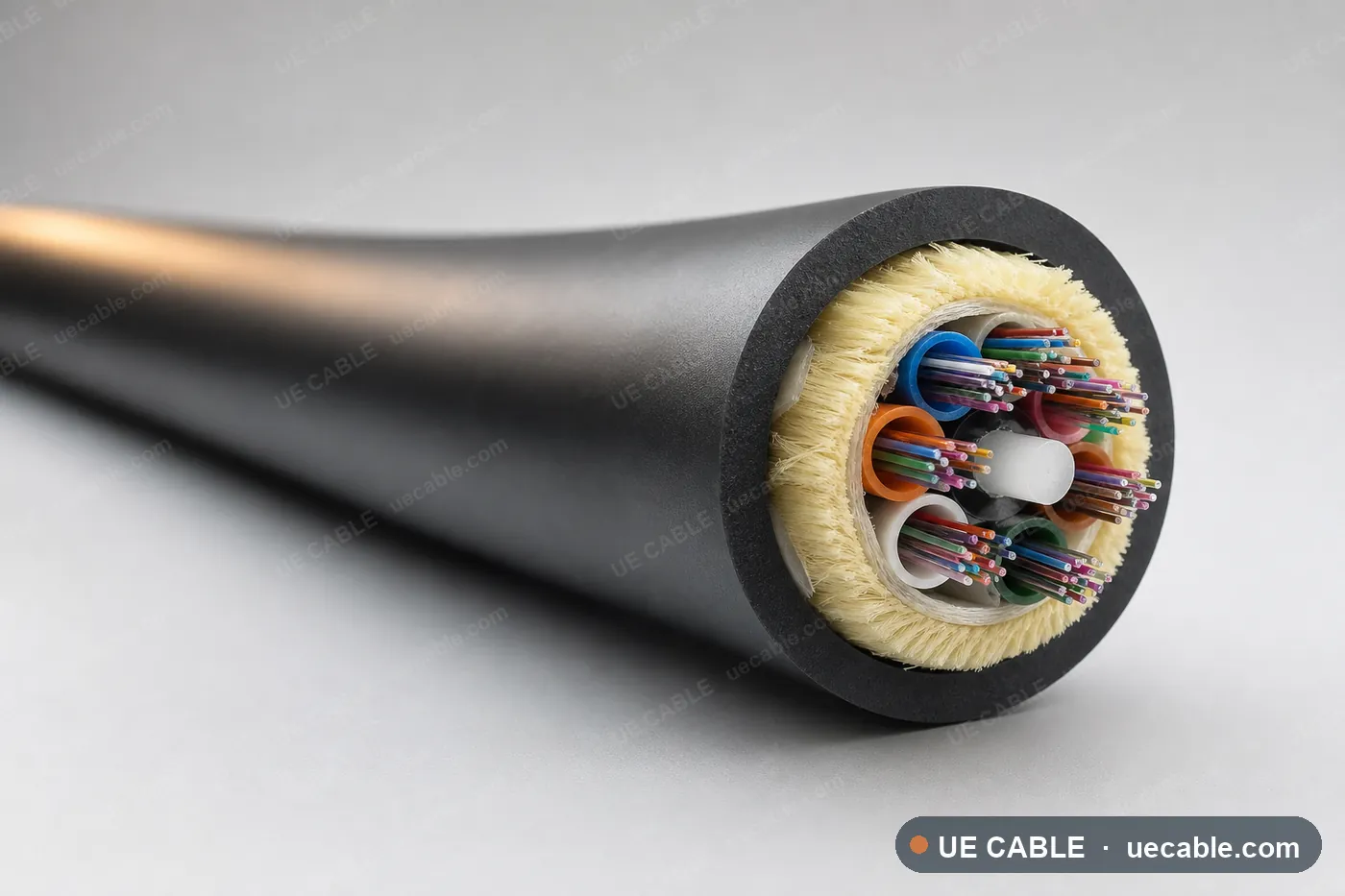
Fibre Optic Cables
Fibre optic cables for data networks, telecom infrastructure, industrial communication and long-distance transmission.
View product page →Market figures are drawn from public sources cited above and reflect the date shown; they are provided for general guidance, not as financial advice. Confirm live prices and final cable specifications before ordering.