Where copper sits today (June 2026)
As of 24 Jun 2026, copper (COMEX futures) traded around US$13,374 per tonne — about US$6.07 per pound. Copper is the single largest raw-material input in most power and data cables, so this number moves cable pricing almost one-for-one.
This figure refreshes automatically each time the site is rebuilt; for the live benchmark check the London Metal Exchange or a market tracker such as Trading Economics.
Why copper dominates cable pricing
For a typical power cable the conductor is the biggest line item in the bill of materials, and copper still accounts for roughly 58% of global cable conductor volume. When LME copper moves, the conductor cost — and therefore the cable price — moves almost one-for-one with it. That is why reputable suppliers quote against the copper price on the day of the quotation rather than a fixed list price.
- Larger cross-sections and higher core counts carry more copper, so they are more exposed to copper swings.
- Aluminium conductors (AAC / AAAC / ACSR) trade at a lower metal cost and weight, at the expense of a larger diameter for the same current.
- Screens, armour and tinning add further metal content on top of the main conductor.
What is driving copper demand in 2026
The structural demand story behind copper and cable is electrification and connectivity. Independent market analysis (for example CRU's 2026 wire & cable outlook) points to several reinforcing drivers:
- Grid investment — the IEA estimates on the order of US$2 trillion per year flowing into power grids, lifting demand for MV and HV cable.
- AI data centres — the fastest-growing cable application, now around 8% of US metallic-cable demand, pulling both power and structured data / fibre cabling.
- Electric vehicles — a battery-electric vehicle uses roughly 3–4× the copper wiring of a combustion car, plus charging infrastructure.
- Renewables — wind and solar build-out raises demand for HV collector cable, PV string cable and turbine cable.
How to budget and lock cable pricing
Because cable price tracks the copper market, treat a quotation as a snapshot, not a fixed catalogue price:
- Ask for the copper basis the price is built on (LME cash on the quote date plus a conversion premium).
- Confirm the validity window of the quote — copper can move several percent in a day.
- For non-critical current ratings, ask whether an aluminium conductor meets the spec at lower metal cost.
- Send the exact specification sheets through the inquiry list so the quote reflects real conductor sizes, core counts and copper content.
UE Cable quotes copper-based cables against the LME price on the day and typically replies within 6 hours with price, lead time and test documentation.
Frequently asked questions
What is the copper price right now?
When this page was last built (24 Jun 2026) copper was around US$13,374 per tonne, roughly US$6.07 per pound. Copper is volatile, so check the London Metal Exchange for the live figure before finalising a budget.
How much of a cable's price is copper?
For power cables the copper conductor is usually the largest single cost component, and copper makes up about 58% of global cable conductor volume. The exact share rises with conductor size and core count.
Should I switch to aluminium to save on copper cost?
Aluminium conductors (AAC, AAAC, ACSR) have a lower metal cost and weight, but need a larger cross-section for the same current and different terminations. They suit overhead lines and many LV/MV feeders; we can quote both so you can compare.
How long is a cable quotation valid given copper volatility?
Quotes are pegged to the LME copper price on the quotation date, so they carry a stated validity window. Re-confirm the copper basis if you order some days after the quote.
Related products
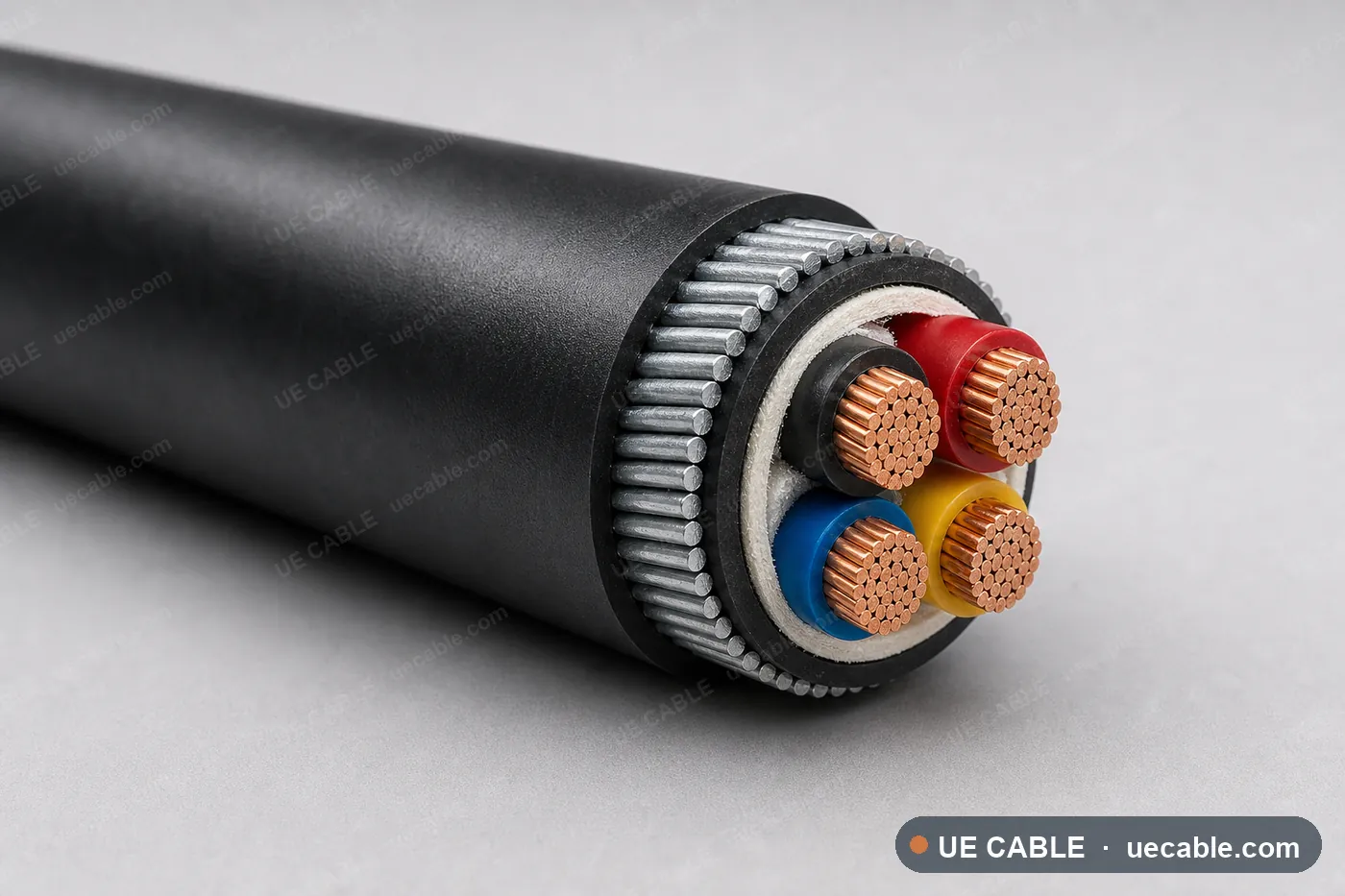
Low Voltage Power Cables
Low voltage power cables for fixed power distribution in buildings, utilities, industrial plants, infrastructure, renewable energy systems and general electrical installations.
View product page →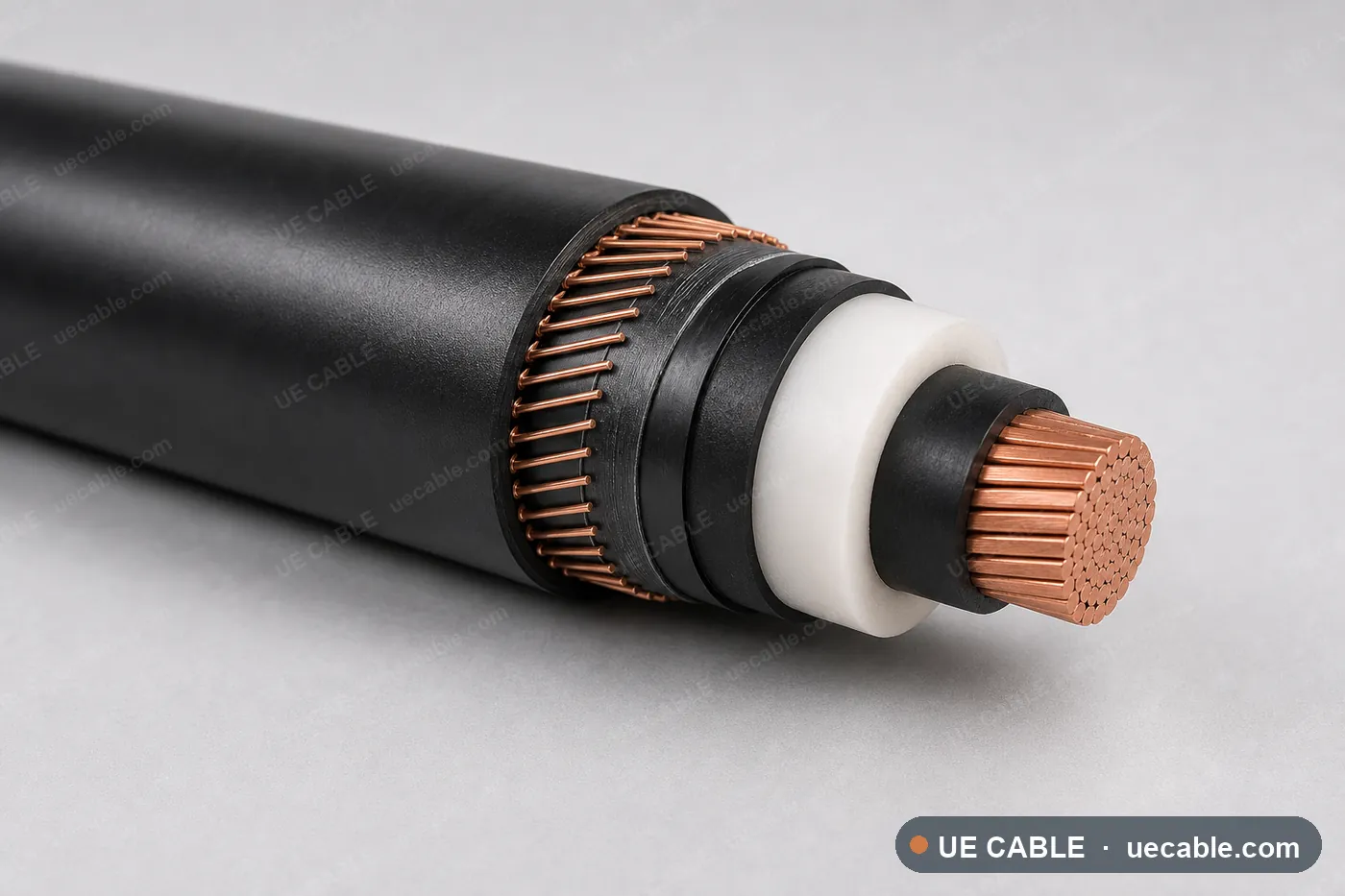
Medium Voltage Cables
Medium voltage cables for utility networks, industrial distribution, renewable energy connections, substations, mining projects and infrastructure power systems.
View product page →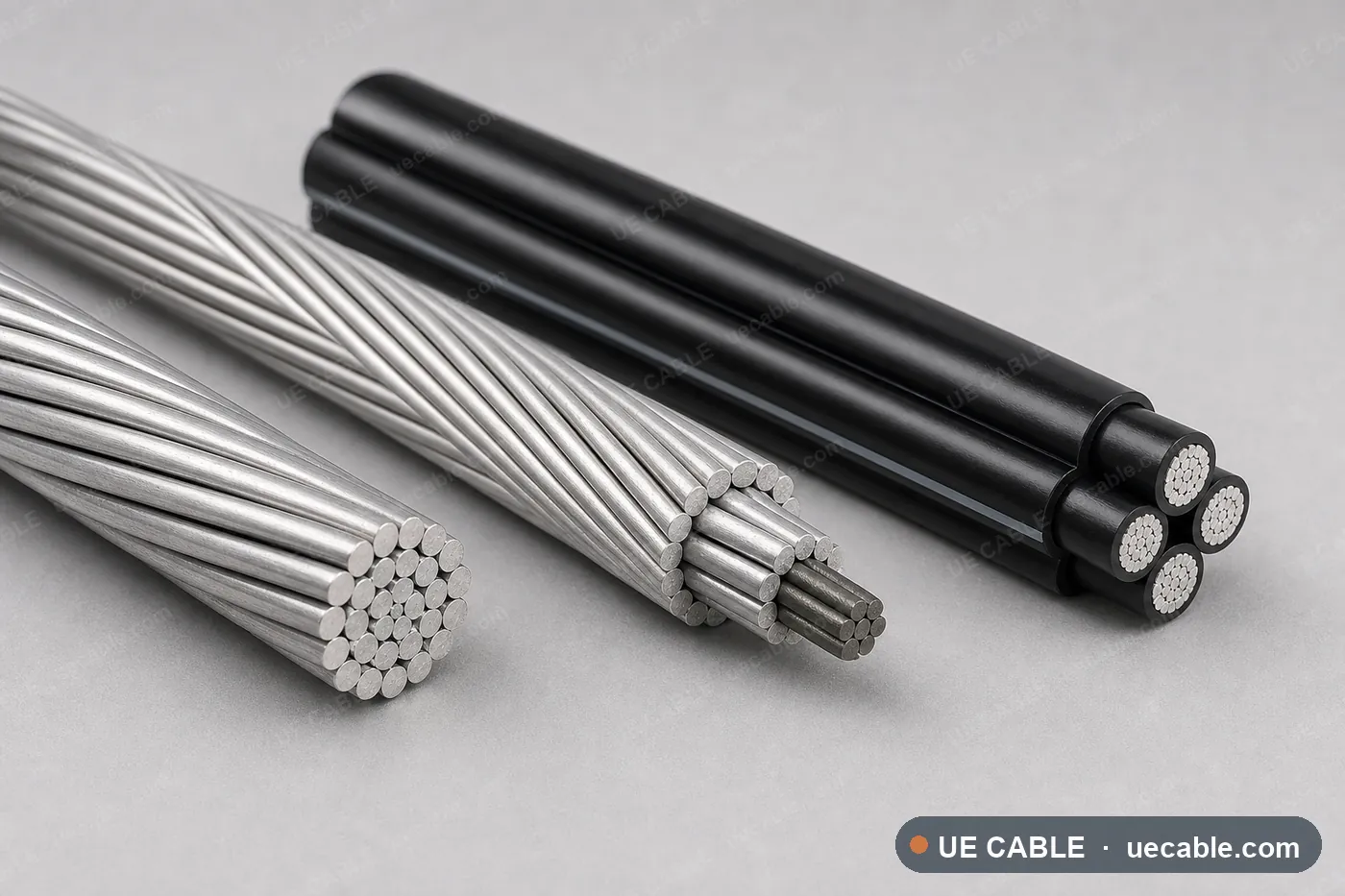
Aluminium Conductor Cables
Aluminium conductor catalog for AAC, AAAC, ACSR and ACAR overhead conductors used in utility distribution, transmission and rail overhead line routes.
View product page →
Bare Copper Conductors
Bare copper conductors for grounding, earthing, bonding, overhead and electrical connection applications.
View product page →Market figures are drawn from public sources cited above and reflect the date shown; they are provided for general guidance, not as financial advice. Confirm live prices and final cable specifications before ordering.